
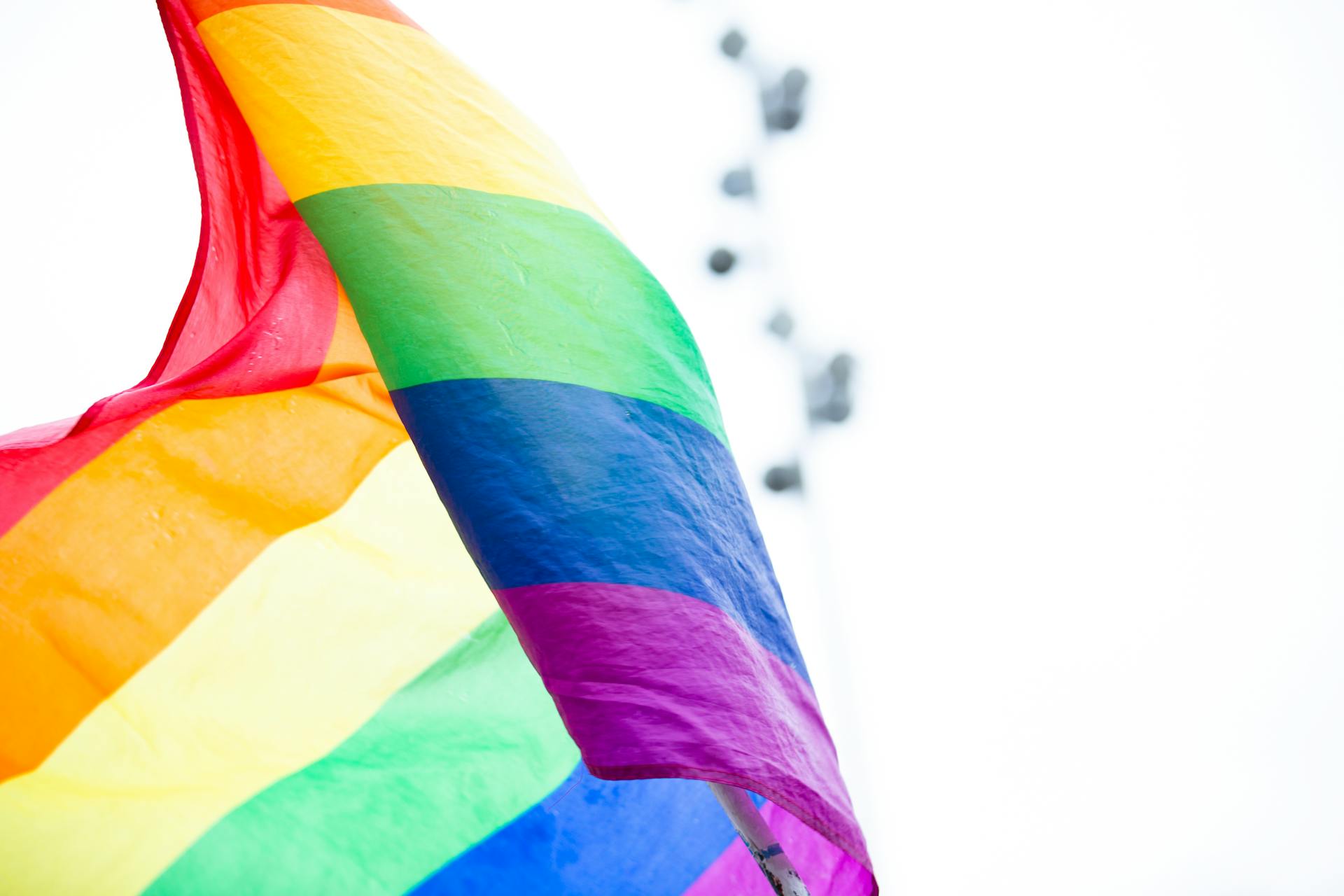
The relationship between brand identity and social responsibility plays important role for building trusted, credible, and strong brands. In this field, the support for LGBTQ+ rights and communities serves as a strategic brand management practice. For brands, the question is not whether to engage with LGBTQ+ issues, but rather how to do so with authenticity, strategic foresight, and measurable impact. The integration of LGBTQ+ inclusion into the core DNA of a brand is both an act of moral alignment and a business move that drives revenue growth, enhances talent acquisition, mitigates reputational risk, and significantly bolsters ESG metrics.
The market moves toward a more inclusive future and brands that fail to recognize the economic and social value of LGBTQ+ inclusion risk obsolescence, while those that embrace it with genuine commitment stand to gain substantial competitive advantages.
The rationale for brands to care deeply about the LGBTQ+ community begins with a shift in consumer demographics and purchasing power. The LGBTQ+ community represents a massive, affluent, and highly engaged consumer segment with significant disposable income. Often referred to as the “Pink Economy,” this market sector is estimated to be worth trillions of euros globally. However, the value of this demographic extends far beyond raw spending figures. LGBTQ+ consumers are known for their brand loyalty, but this loyalty is conditional and hard-won. They possess a keen ability to distinguish between authentic advocacy and superficial marketing gestures, a phenomenon widely recognized as “rainbow washing.”
When a brand demonstrates a genuine, sustained commitment to LGBTQ+ rights and well-being, it cultivates a deep emotional connection with this audience, translating into higher customer retention rates and increased lifetime value. Conversely, brands that remain silent or, worse, oppose LGBTQ+ rights often face boycotts and reputational damage that can ripple across global markets.
In addition to this, in times where younger generations are becoming consumers that push for voting with the wallets, aligning with LGBTQ+ rights is a direct strategy for market share expansion and brand equity preservation.
Talent acquisition, retention, creativity, and organizational innovation
Beyond the direct consumer base, the support of the LGBTQ+ community is a critical driver of talent acquisition and retention, which serves as an essential pillar of organizational success. The modern workforce, particularly among younger generations such as Millennials and Gen Z, prioritizes workplace culture and corporate values when selecting employers. These demographics expect their workplaces to be inclusive environments where diversity is not just tolerated but celebrated. A brand that actively supports LGBTQ+ inclusion signals to potential employees that it is a safe and progressive space, thereby widening the talent pool and attracting top-tier professionals who might otherwise overlook the organization. Furthermore, inclusive cultures foster higher levels of employee engagement, productivity, creativity, and innovation. When employees feel safe and free from discrimination, they are more likely to contribute their full creative potential and remain with the company long-term. This reduction in turnover costs and the increase in human capital efficiency directly impact the bottom line, making LGBTQ+ inclusion a vital component of human resource strategy.
Enhancing ESG ratings and investor confidence
The intersection of support for LGBTQ+ communities and ESG represents perhaps the most compelling argument for corporate engagement in this space. ESG frameworks have become the standard by which investors, analysts, and stakeholders evaluate a company’s long-term sustainability and ethical performance. Within these frameworks, the “Social” component is increasingly scrutinized, with diversity, equity, and inclusion (DEI) serving as key performance indicators. Specifically, LGBTQ+ inclusion is a primary metric for assessing a company’s social responsibility. Major investment firms and index providers explicitly evaluate corporate policies regarding non-discrimination, benefits equality, and community engagement when assigning ESG ratings. A strong stance on LGBTQ+ rights can lead to higher ESG scores, which in turn lowers the cost of capital, attracts socially responsible investment funds, and enhances the company’s overall valuation.
In the eyes of the modern investor, a brand that neglects LGBTQ+ inclusion is viewed as carrying unnecessary reputational and regulatory risk, whereas a brand that champions these values is seen as forward-thinking and resilient.
Reputation management and global stakeholder trust
Moreover, supporting the LGBTQ+ community enhances a brand’s reputation on a global scale, fostering goodwill among diverse stakeholder groups including regulators, non-governmental organizations, and local communities.
In many jurisdictions, legal protections for LGBTQ+ individuals are evolving rapidly, and companies that proactively adopt inclusive policies often stay ahead of regulatory curves, avoiding potential legal pitfalls and fines. Additionally, active engagement with LGBTQ+ organizations and causes builds bridges with civil society, creating a network of allies that can have strong value for the brand during times of crisis. This social capital is invaluable in the digital age, where public sentiment can shift instantly and reputational crises can escalate with viral speed. A brand with a history of authentic support is better positioned to navigate controversies and maintain trust, as its track record provides a buffer against accusations of hypocrisy.
The narrative of a brand as a champion of LGBTQ+ rights becomes a powerful asset in public relations, differentiating it from competitors who may view inclusion as a mere compliance exercise.
Building robust internal policies and inclusive benefits
However, the path to meaningful support requires more than just good intentions. It demands a comprehensive strategy that permeates every aspect of the organization. The first and most critical step is the establishment of robust internal policies that guarantee equality and protection for LGBTQ+ employees. This includes enacting explicit non-discrimination and anti-harassment policies that specifically mention sexual orientation and gender identity. Beyond policy, companies must ensure that their benefits packages are truly inclusive, offering equal health coverage for same-sex partners, covering gender-affirming healthcare procedures, and providing parental leave that is equitable regardless of family structure. These tangible benefits send a clear message that the organization values its LGBTQ+ workforce not just in theory, but in practice.
Internal policies must be accompanied by comprehensive training programs that educate all employees on LGBTQ+ issues, unconscious bias, and inclusive language. Such training helps to dismantle systemic barriers and fosters a culture of empathy and understanding, ensuring that the workplace environment is safe and welcoming for everyone.
Empowering employee resource groups and internal advocacy
In addition to internal policies, the formation and support of Employee Resource Groups (ERGs) dedicated to LGBTQ+ employees and their allies are essential for driving cultural change from within. These groups provide a safe space for LGBTQ+ employees to connect, share experiences, and find mentorship, while also serving as a valuable resource for the broader organization. ERGs can advise leadership on policy improvements, guide marketing campaigns to ensure authenticity, and organize community outreach initiatives. To be effective, these groups must be given adequate resources, executive support, and a seat at the table in strategic decision-making processes. When LGBTQ+ voices are integrated into the highest levels of corporate governance, the resulting strategies are more nuanced, effective, and aligned with the lived realities of the community. This internal advocacy ensures that the brand’s external messaging is grounded in genuine experience rather than abstract marketing concepts, thereby enhancing credibility and trust.
Authentic engagement and year-round visibility
Externally, brands must leverage their marketing and communication channels to amplify LGBTQ+ voices and stories throughout the year, not just during Pride Month. While Pride Month offers a visible platform for celebration, limiting support to June often leads to accusations of performative activism.
Authentic support involves consistent, year-round engagement that reflects the diversity of the LGBTQ+ community. This can be achieved through advertising campaigns that feature LGBTQ+ individuals in diverse roles and contexts, partnerships with LGBTQ+ organizations and influencers, advocacy for LGBTQ+ causes, and sponsorships of community events and initiatives. Brands should strive to tell stories that go beyond stereotypes, highlighting the complexity and richness of LGBTQ+ lives. For example, collaborating with LGBTQ+ organizations ensures that the brand’s efforts are directed toward causes that matter most to the community and that the resources provided are used effectively. Another example is about collaborating with LGBTQ+ creators and influencers which guarantees that brand’s activities contribute to giving more space for LGBTQ+ voices.
It is imporotant to add that these partnerships should be long-term commitments rather than transactional exchanges, fostering relationships built on mutual respect and shared goals.
Extending inclusion across supply chains and business ecosystems
Furthermore, brands must extend their commitment to LGBTQ+ inclusion beyond their immediate operations and into their supply chains and business ecosystems. This involves setting expectations for suppliers and partners to adhere to similar standards of non-discrimination and inclusion.
Companies can conduct audits of their supply chain to identify potential risks related to LGBTQ+ rights and work collaboratively with suppliers to improve their practices. Purchasing power is a powerful lever that enables brands to drive industry-wide change, encouraging a ripple effect of inclusivity that extends far beyond their own walls. This systemic approach demonstrates a holistic understanding of corporate responsibility and reinforces the brand’s position as a leader in ethical business practices. It also mitigates the risk of being associated with suppliers who may engage in discriminatory practices, thereby protecting the brand’s reputation and integrity.
Advocacy, public affairs, and legislative support
Public affairs and advocacy are areas where brands have a unique opportunity to use their influence to support legislative efforts that protect LGBTQ+ rights. This can involve engaging with policymakers, signing briefs and letters in support of LGBTQ+ rights cases, and publicly advocating for inclusive legislation.
While this level of engagement carries some risks, particularly in polarized political environments, it is often necessary for brands that wish to be seen as true leaders. Companies must carefully assess the political landscape and the potential impact on their various stakeholders, but silence in the face of injustice can be equally damaging. When a brand takes a stand, it should do so with clarity and conviction, articulating the business and moral case for inclusion.
This advocacy can inspire other companies to follow suit, creating a coalition of businesses that collectively push for a more equitable society.
Transparency, accountability, and measuring impact
The implementation of these strategies requires a commitment to transparency and accountability.
Brands must regularly measure and report on their progress regarding LGBTQ+ inclusion, using clear metrics and benchmarks. This can include tracking the representation of LGBTQ+ employees at all levels of the organization, monitoring the effectiveness of diversity training, and assessing the impact of community engagement initiatives. Publishing these findings in annual sustainability or ESG reports demonstrates a willingness to be held accountable and provides stakeholders with the information they need to evaluate the brand’s performance.
Transparency also allows the brand to learn from its mistakes and continuously improve its approach. LGBTQ+ inclusion should be treated by brands as a journey rather than a static destination. With such an approach, brands can ensure that their efforts remain relevant and impactful.
Enhancing intersectionality in diversity strategies
It is also crucial for brands to recognize the intersectionality of LGBTQ+ identity. The LGBTQ+ community is not a monolith as it encompasses individuals of diverse races, ethnicities, religions, abilities, and socioeconomic backgrounds. Effective support strategies must acknowledge and address the unique challenges faced by LGBTQ+ individuals who belong to multiple marginalized groups. For example, the experiences of a transgender woman of color differ significantly from those of a gay white man. Brands must ensure that their policies, programs, and messaging are inclusive of this diversity, avoiding one-size-fits-all solutions. This requires listening to the voices of LGBTQ+ individuals from various backgrounds and incorporating their perspectives into the brand’s strategy. By doing so, brands can build a more comprehensive and equitable approach to inclusion that resonates with a broader audience.
The future is about inclusive brand leadership
The support of the LGBTQ+ community is a strategic and ethical move that offers profound benefits for brands across multiple dimensions. From driving consumer loyalty and talent acquisition to enhancing ESG ratings and mitigating reputational risk, the business case for inclusion is robust and compelling.
However, realizing these benefits requires more than superficial gestures. In fact, it demands a deep, authentic, and strong commitment that permeates the entire organization. Implementing robust internal policies, fostering inclusive cultures, engaging in meaningful external partnerships, and advocating for systemic change enables brands to position themselves as leaders in the movement toward a more equitable society.
Brands that thrive are those that recognize the value of diversity and the power of inclusion to drive sustainable growth. For brands and business leaders, the task is clear: to champion LGBTQ+ inclusion not as a trend, but as a fundamental principle of modern corporate social responsibility. The journey toward full inclusion is ongoing, but the direction is undeniable, and the rewards for those who walk this path are immense.
As we look to the future, the integration of LGBTQ+ rights into the core of brand strategy will only deepen. The expectations of consumers, employees, and investors are rising, and the cost of inaction is becoming increasingly high. Brands that hesitate or retreat from this commitment risk being left behind in a marketplace that values authenticity and social responsibility. Conversely, those that embrace this challenge with courage and creativity will not only secure their place in the future economy but will also contribute to a world where every individual can live with dignity and respect.
Ultimately, the decision to support the LGBTQ+ community is a reflection of a brand’s values and its vision for the future. It is a choice to prioritize people over profit, to embrace diversity as a source of strength, and to recognize that the well-being of the community is linked to the well-being of the business. The success of a brand is measured not just by its financial performance, but by its contribution to the greater good. Supporting the LGBTQ+ community is a powerful way to make that contribution, creating a legacy of inclusion that will endure for generations to come.
The most successful brands are those that dare to lead, to listen, to inspire, and to act.
Dawid Wiktor is the Chief Executive Officer of Media Scope Group. Visit his Exec Profile to read more of his writings.